






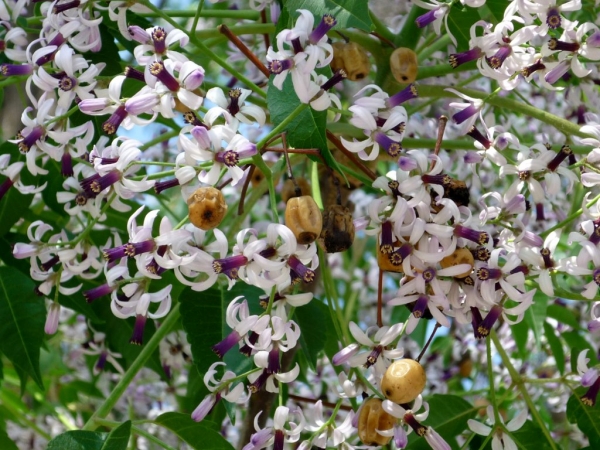
Melia azedarach flower compliments

(1/3) Melia azedarach flower compliments By Jesús Cabrera [CC BY 2.0] (Photo Credits)

White cedar being grown as a shade tree in a park due to it's ornamental lush growth

(2/3) White cedar being grown as a shade tree in a park due to it's ornamental lush growth

Leaf of the White Cedar

(3/3) Leaf of the White Cedar

fullscreen1

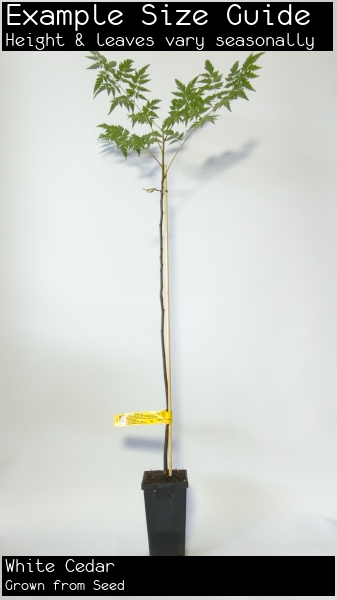
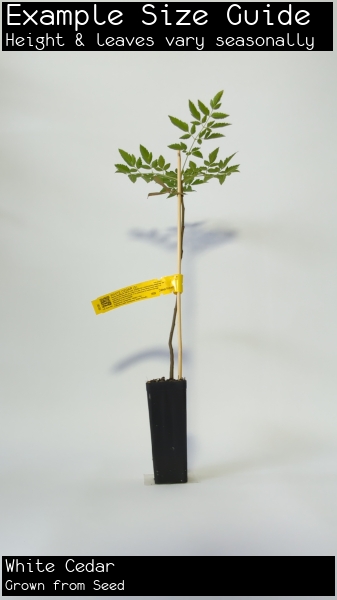
White Cedar

Melia azedarach
Hardy deciduous native tree, suitable as a quick growing shade tree. The fragrant lilac flowers and yellow fruits of the White Cedar make it an appealing ornamental tree. It is poisonous to humans and dogs, but birds and possums are fond of the fruit. Sem... Read More

$14.90 ($4.90-$14.90 choose a size)

Specifications of White Cedar

Preferred Climate Subtropical, Warm TemperateLearn About Climate Zones

Grown From SeedlingLearn About Propagation Methods

Max Height (when in the ground with good conditions) +10m

Plants required to Pollinate 1 (Self Pollinating)Learn about Pollination

Can it Handle Frosts? Yes

Amount of leaves in Winter? No Leaves (Deciduous)

Quarantine Restrictions to these Areas WA

Water Requirements Moderate Watering

Is it a Dwarf Fruit Tree? No (Full Size)

Time to Fruit/Flower/Harvest 5+ Years

Sun or Shade Full (Sun:80%-100%)

Preferred Soil Type Good Drainage

Soil pH Neutral (6.6-7.3pH)

Create a Filter to find similar plants

Cabinet Timber Tree
Create Filter filter_vintage

Customers also bought

These plants are often purchased together. Also check plant information for suitability in your orchard.

Avocado - Giant Jala PBR

$99.00 ($84.00-$99.00 choose a size)

The Jala Avocado produces supersized Australian avocados. They can grow up to four times the size of the usual sized avocados you find in the shops. This is a new release from Fleming's Nurseries Qld, and will be available to the backyard gardener. At this stage, they consider it to be a B type with a good level of self-pollination. More information on this will be available next flowering season 2025. Featured on ABC News websites along with the TV program Landline. The variety is PBR, meaning unauthorised propagation is not allowed.

Plum - Satsuma

$49.00 ($44.00-$49.00 choose a size)

Red to purple flesh with a freestone. The flavour is good, the growth vigorous and its bears particularly well, in fact to get large fruits it may require thinning. The firm, juicy flesh has a sweet spicy flavour. 350 - 400 hours chill. Bears November to early December.

Plum - Mariposa

$39.00 ($39.00-$44.00 choose a size)

A Japanese blood plum with dark red flesh and large fruit if thinned. The flavour is excellent, the skin glossy red and it has a egg shaped fruit. Will crop over a wide range of climates. Pollinator Satsuma

Pomegranate - Wonderful

$39.00 ($19.75-$99.00 choose a size)

A large, deep purple-red fruit. Flesh is deep crimson in colour, very sweet, juicy and of a delicious vinous flavour. Seeds not very hard. Good for juicing and eating out of hand. Plant is vigorous and productive. Best commercial variety in California.
  Special  

Indian Almond Tree

$29.00 ($29.00-$39.00 choose a size)

Also known as the Sea Almond or Tropical Almond, it is common throughout SE Asia, growing wild as well as cultivated for its striking features and tasty nut. A deciduous tree it can shed its leaves twice a year. In Autumn the leaves turn into colours of red, copper, gold. This tree has a characteristic pagoda shape because it sends out a single stem from the top center. When the single stem reaches a good height, it sends out several horizontal branches. It can get very large reaching 30m in ideal conditions. The fruits are almond-shaped and green turning brown to purple when ripe. The fibrous shell surrounds an edible nut. This shell helps the fruit to float as the seed is dispersed by water. The nuts are edible, taste very much like almonds, although it can be a challenge to remove the flesh from the hard stone. The Sea Almond can be eaten raw. Oil extracted from the dried nuts is edible and used in cooking. Recommended for Tropical climates as it is cold sensitive, but is wind, salt and drought tolerant.
Click Choose above to view Specials
  Special  

Guiana Chestnut

$29.00 ($29.00-$49.00 choose a size)

Fragrant, stunning flowers distinguish the Guiana Chestnut. Makes a beautiful landscape tree. Native to estuaries and lake shores in the tropical rainforests of Mexico, Central and South America The seeds have been recommended for eating eaten either raw or roasted, however recent research has indicated that there may be toxic compounds present that are not neutralised through cooking. When roasted or fried in oil they taste like chestnuts or cashews They have also been ground and used as a flour substitute when baking bread. The young leaves and flowers have also been cooked and eaten as a vegetable, however no mention is made of this in the research.It has also been suggested fungal organisms may be converting oils into inedible compounds. Production of nuts starts within a few years. The large, white, self-fertile flowers display spectacular clusters of 10cm cream-white stamens. The fruit is a woody green five-valved pod up to 30cm in length. The capsules that follow burst open when the seeds are ripe. The plant grows well in mild inland and coastal areas. The plant will tolerate brief exposure to low temperatures but won't tolerate frost. A frost-free location with some protection from hot, drying winds is the best choice for the plant. It will take full sun to partial shade. Malabar chestnuts are not overly fussy about soil as long as it is well drained. They are semi-deciduous. The flowers of the Guiana chestnut are spectacular, they emerge from foot long buds where they are almost hidden amongst the dense foliage. The long dark red brown coloured petals droop and disappear to show off the dramatic clusters of scarlet tipped stamens. The fruits that follow the flowers are football shaped large woody pods that can reach 30cm in length. The tightly packed nuts inside enlarge until the pods burst open to reveal them. The Guiana Chestnut does best in sites that are protected from drying winds, it can be grown in full sun or part shade and it requires frequent and generous watering. WARNING: SEEDS SHOULD NOT BE EATEN
Buy 1+ @$29.00ea usually:$39.00ea

White Cedar Reviews & Tips

Star Rating

  • Subscribe
  • Postage Free Truck
  • Plant List
  • Calculate Freight