






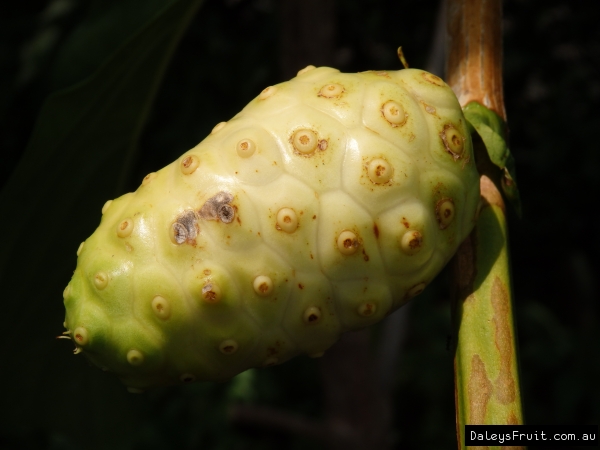
(1/13) Noni fruit
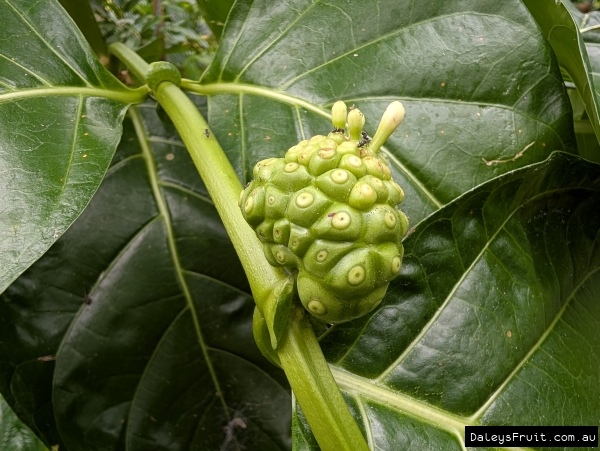
(3/13) Noni Fruit ripening on the tree
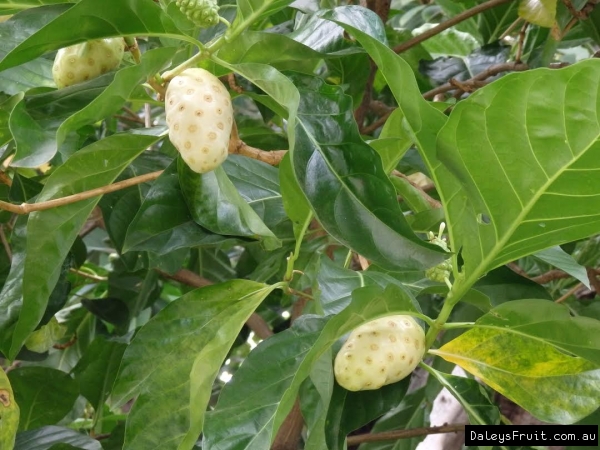
(4/13) noni on tree

(5/13) Noni Fruit ripening on the Noni Fruit Tree
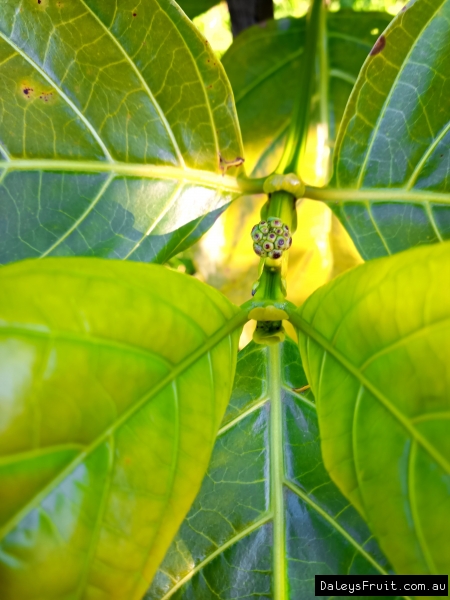
(6/13) First signs of the Fruit forming on the Noni Fruit Tree

(7/13) A very happy Noni plant growing well in a pot as shown by Daniel.
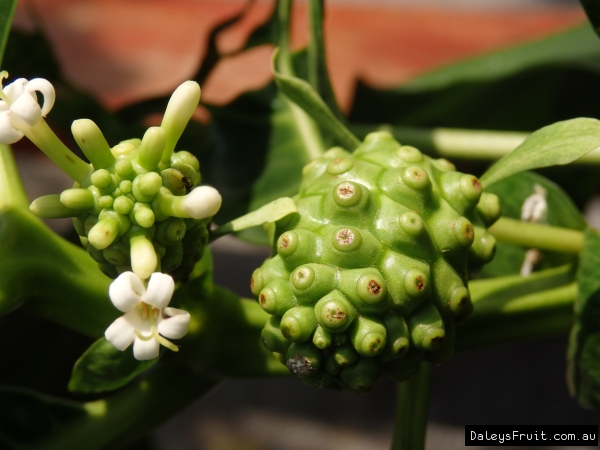
(8/13) Noni flowers and fruit forming
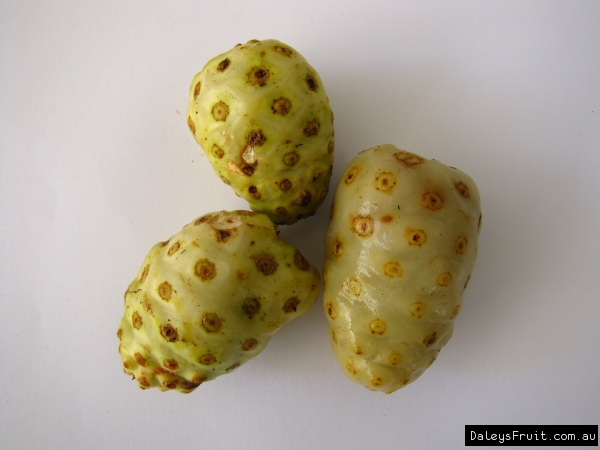
(9/13) Noni
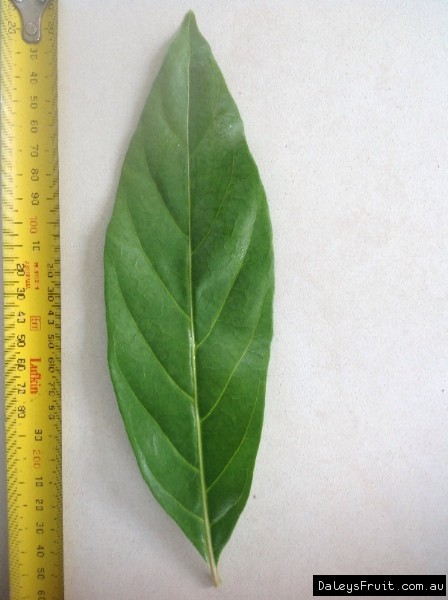
(10/13) Leaf of the Noni Fruit
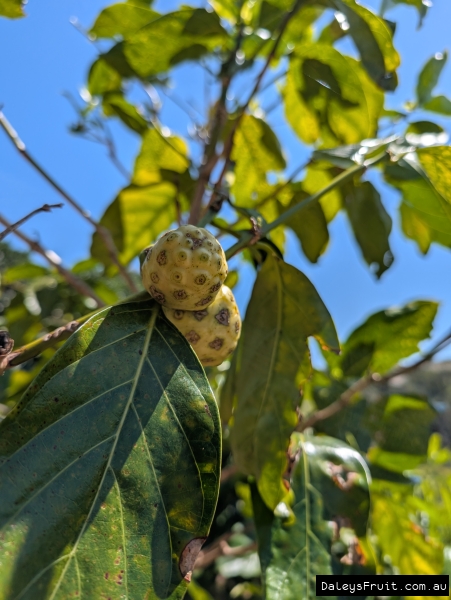
(11/13) Noni ripening on tree

(12/13) Noni Fruit For Sale
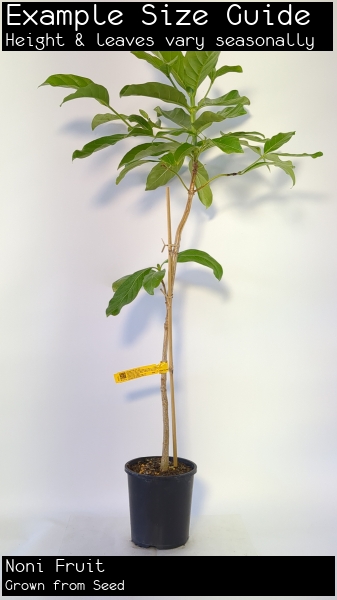
(13/13) Noni Fruit For Sale
Noni Fruit
Morinda citrifolia$49.00 ($24.00-$49.00 choose a size)
Specifications of Noni Fruit
Preferred Climate TropicalLearn About Climate Zones
Grown From SeedlingLearn About Propagation Methods
Max Height (when in the ground with good conditions) +10m
Plants required to Pollinate 1 (Self Pollinating)Learn about Pollination
Can it Handle Frosts? Likes Temps above 5deg
Amount of leaves in Winter? All Leaves (Evergreen)
Quarantine Restrictions to these Areas NSW, VIC, SA, WA, ACT
Suitability in Pots Yes
Water Requirements Moderate Watering
Is it a Dwarf Fruit Tree? Semi Dwarf (2/3 Normal Size)
Time to Fruit/Flower/Harvest 4-5 Years
Sun or Shade Full (Sun:80%-100%)
Preferred Soil Type Good Drainage
Soil pH Moderately Acidic (5.5-6.5), Neutral (6.6-7.3pH)
Fruiting/Harvest Months July, August, September
Customers also bought
These plants are often purchased together. Also check plant information for suitability in your orchard.
Avocado - Hass (A)
$54.00 ($54.00-$79.00 choose a size)


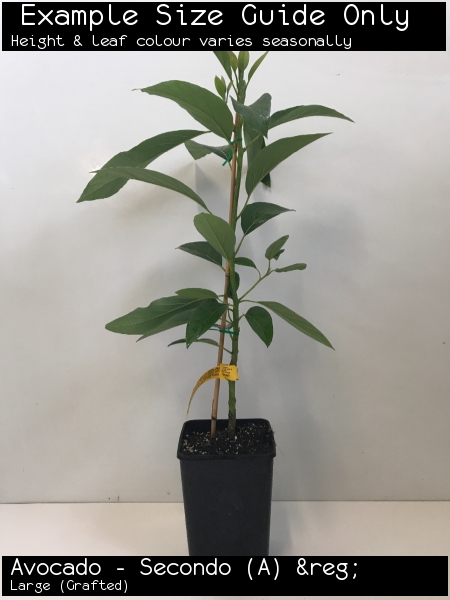
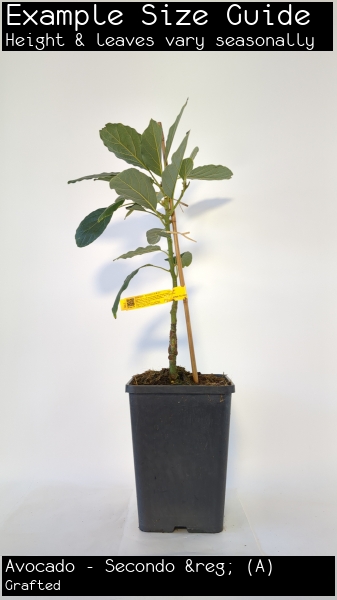
Avocado - Secondo ® (A)
$79.00 ($59.00-$79.00 choose a size)

Pecan - Shoshonii (B) SP
$39.00 ($29.00-$49.00 choose a size)


Carambola Starfruit - Thai Knight
$69.00

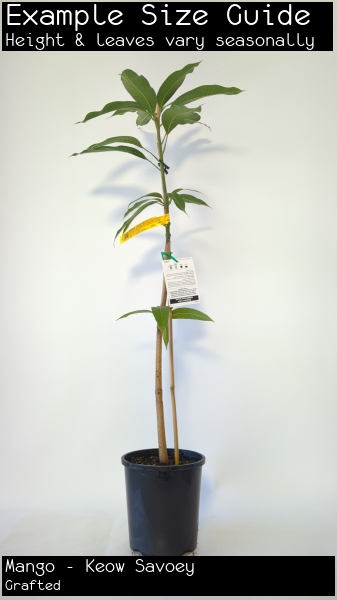
Mango - Keow Savoey
$69.00
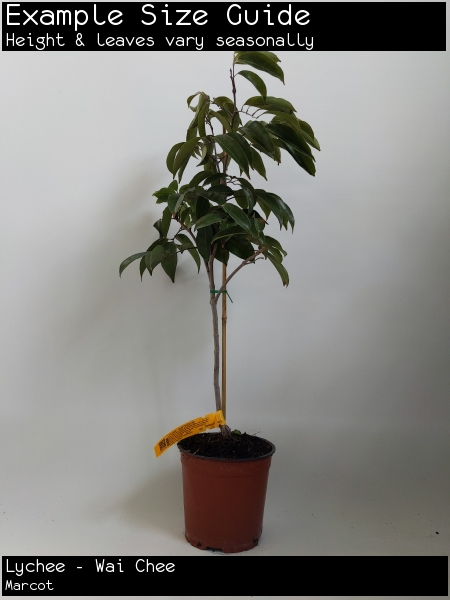
Lychee - Wai Chee
$49.00 ($49.00-$79.00 choose a size)
Customer Tips & Reviews Noni Fruit
Noni Fruit
Freeze Juicing: Put ripe (firm, part yellow, part green) Noni fruits in plastic bag, in freezer. Next morning, unthaw. When soft, place in blender; add 1+ cup of water per litre. Blend to puree like apple sauce; store in fridge. No smell, taste is ok.
Noni Fruit
Noni Fruit has helped me with bowel problems and bloating in the gut I let it ripen and drink it like tea or coffee Yes smell is bit off but its worth it.
Noni Fruit
In Thai cooking - use the leave as the base for steamed fish curry (Red curry+coconut cream wrapped with banana leave), yummy.
Noni Fruit
Fresh noni leaves applied topically are good for joint inflammation but dried are not so good. Cover with boiling water for a few minutes to warm first.
Noni Fruit
I have not grown the fruit (yet) but I have been told from people who have that noni has an affinity with citrus. Drink the noni juice with lemon or orange with a bit of honey. Very healing - similar to aloe vera but more powerful.
Brisbane, QLD
Noni Fruit
I HAVE ONE AT MY OTHER HOME BUT I NEVER THOUGHT YOU COULD EAT IT OR THE LEAVES!!!
Noni Fruit
Once you get your head around the smell (blue vein cheese in tom cat's pee) the flavour is really not too bad at all, though it's definitely an acquired taste. The tree does not do too well away from the tropics.